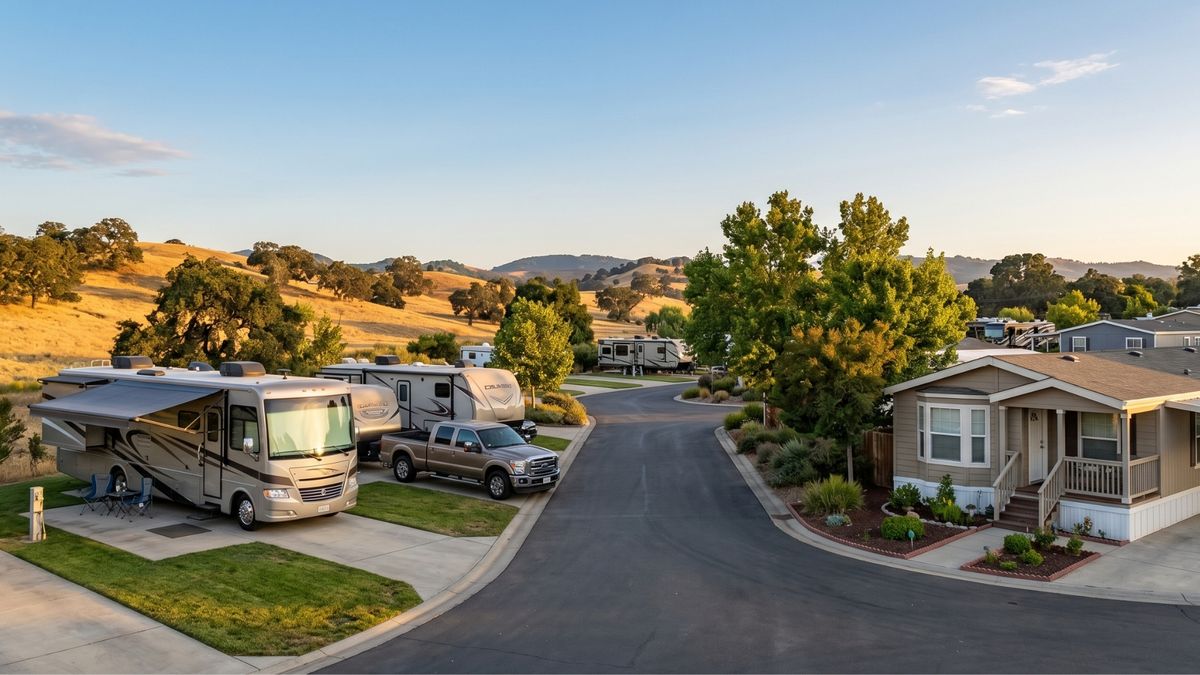
Navigating the world of recreational vehicles and permanent dwellings can sometimes lead to confusion, especially when considering selling. While RVs, campers, and mobile homes all provide living spaces, their fundamental nature, legal classifications, and thus their selling processes differ significantly. Understanding these distinctions is crucial for anyone looking to sell, ensuring a smooth and successful transaction. Sell My RV CA LLC specializes in making the RV selling process straightforward, but let's first clarify what sets these different types of homes apart.
Understanding the Basics: RVs, Campers, and Mobile Homes
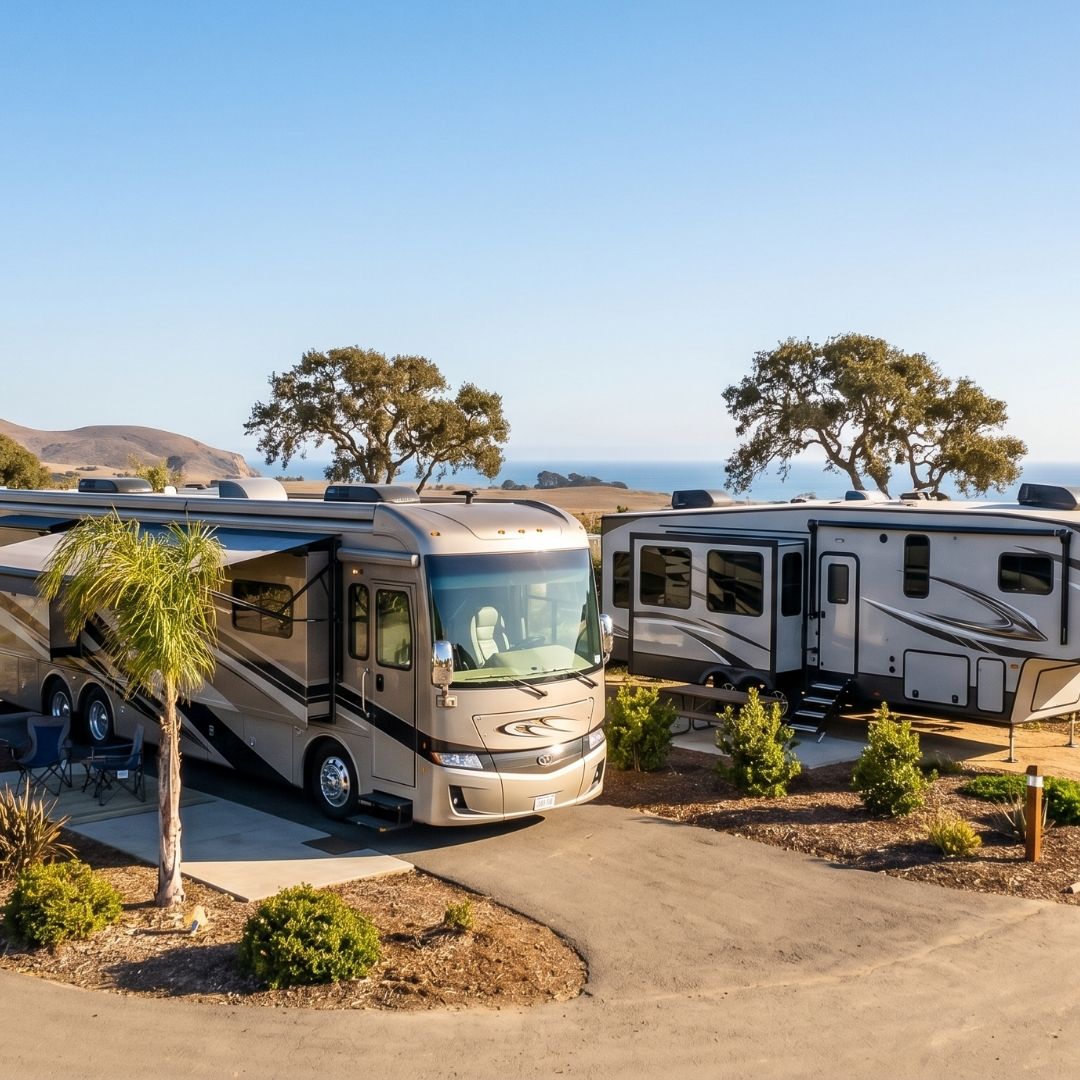
At a glance, all three might seem like variations of a portable home, but their core designs and intended uses diverge sharply. An RV (Recreational Vehicle) is a motor vehicle or towable vehicle designed for temporary living and travel. This category broadly includes motorhomes (Class A, B, C) and towable options like travel trailers, fifth wheels (often referred to collectively as campers), and pop-up campers. They are built for mobility, offering amenities for journeys and temporary stays. A mobile home, or manufactured home, on the other hand, is built in a factory and then transported to a permanent or semi-permanent site where it is typically anchored to a foundation. While they can be moved, it’s usually a complex and costly endeavor, unlike the transient nature of an RV.
Key Differences in Ownership and Legal Status
The legal classification is perhaps the most significant differentiator when it comes to selling. RVs and campers are universally considered vehicles. This means they are titled through the Department of Motor Vehicles (DMV), registered annually, and typically fall under vehicle-specific laws for sale, insurance, and taxation. Just like selling a car, the transfer of ownership involves a vehicle title. Mobile homes, however, can be classified in two primary ways: as personal property (similar to a vehicle, often the case when on leased land) or, more commonly, as real property once they are permanently affixed to land and have had their vehicle title "retired" or converted to a real estate deed. When a mobile home is considered real property, its sale becomes part of a real estate transaction, involving property deeds, escrow, and potentially real estate agents, much like selling a traditional house.
Navigating the Sales Process: What to Expect
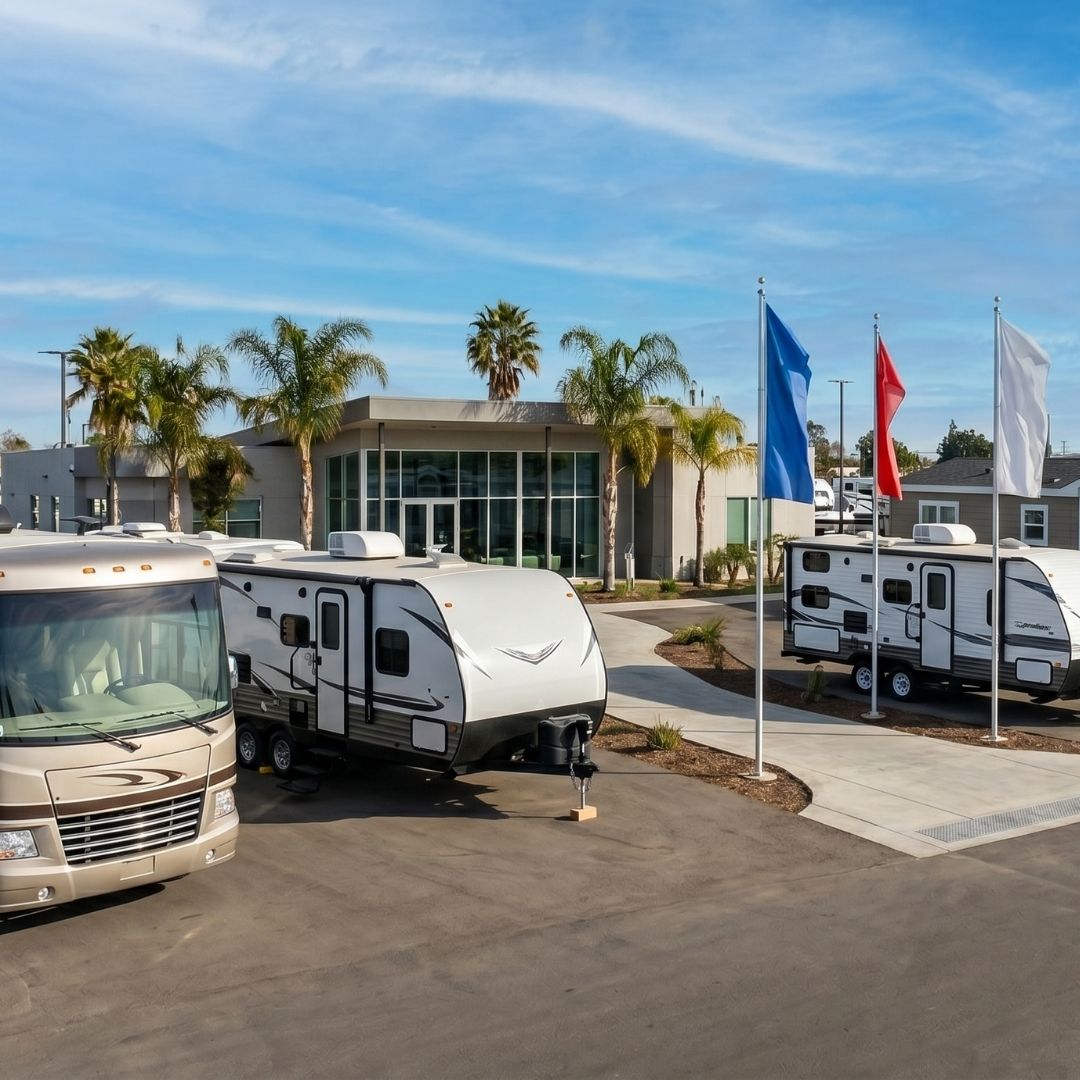
The sales process for each dwelling type reflects its legal and physical characteristics. Selling an RV or a camper typically involves navigating the used vehicle market. This can mean private sales, trading it in at a dealership, or using a specialized service. When considering the best way to sell a camper or the best way to sell a motorhome, factors like current market demand, the condition of the vehicle, and the efficiency of the selling process come into play. A key consideration for California RV dealer services is their ability to handle all the paperwork, advertising, and negotiation for you. For mobile homes, if it's considered real property, the process closely mirrors selling a traditional home, requiring real estate agents, property appraisals, and adherence to real estate laws. If it's personal property on leased land, the sale might still involve park management approval and specific titling procedures that differ from vehicle sales.
Understanding whether you own an RV, a camper, or a mobile home is the first step in a successful sale. Each comes with its own set of rules, regulations, and market considerations. For those looking to sell their RV or camper in California, the process can be straightforward with the right guidance. Sell My RV CA LLC is dedicated to simplifying your experience, ensuring you receive a fair price with minimal effort. To learn more about your options for selling your recreational vehicle, reach out to our team of experts today.